
Written by Lauren Martin
Myotonic dystrophy is a condition that causes thinned muscles, decreased muscle tone, and muscle weakness. Over time, a person may lose their strength and have issues relaxing their muscles. The severity of symptoms and speed of progression varies.
There are two types of myotonic dystrophy: type 1 (DM1) and type 2 (DM2). It is an inherited condition, and someone only needs one copy of the atypical gene relating to the condition to develop symptoms.
Although there is no cure for myotonic dystrophy, a person may receive treatment for complications such as cataracts and diabetes.
Read on to learn more about myotonic dystrophy and its causes. This article also looks at symptoms, how doctors diagnose the condition, and more.
What are the types of myotonic dystrophy?
Nattapon Malee/Getty Images
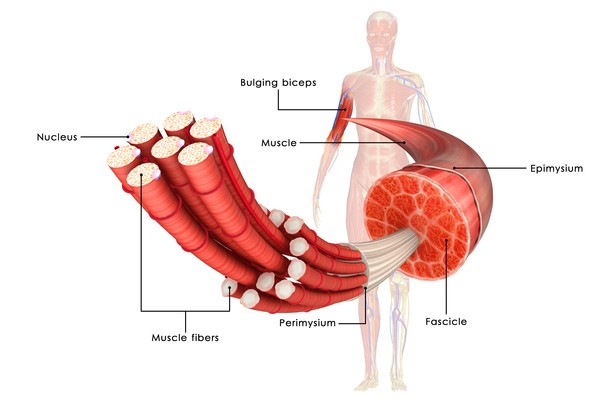
There are two types of myotonic dystrophy: DM1 and DM2, and different genetic mutations cause each type. These mutations affect the muscle structure, leading to weakness and altered muscle tone.
DM1
DM1, or Steinart disease, ranges in severity. There are fourTrusted Source different subtypes:
- congenital myotonic dystrophy, which can be present from birth
- mild myotonic dystrophy, which typically begins after age 40 years
- classic myotonic dystrophy, which typically begins when a person is in their 10s–30s
- childhood myotonic dystrophy, which typically begins from around the age of 10 years
Typically, DM1 affects muscles further away from the center of the body, such as the hands and feet.
DM2
DM2 typically affects muscles that are closer to the center of the body, such as the neck and elbows. It typically begins in adulthood, with a median age of 48 years.
What causes myotonic dystrophy?
A genetic mutation causes myotonic dystrophy. However, DM1 and DM2 are not due to the same genetic mutation. With DM1, the mutation affects the DMPK gene, while with DM2, the mutation is on the CNBP gene, or ZNF9 gene.
As myotonic dystrophy is autosomal dominant, a person only needs to inherit one mutated gene to develop symptoms. This means that if a biological parent has DM1 or DM2, there is a 50% risk their child will also inherit the condition.
What are the symptoms of myotonic dystrophy?
The symptoms of myotonic dystrophy in DM1 and DM2 generally include:
- weakness in the neck, finger fingers, and hips
- sustained muscle contraction
- fatigue
- cardiac problems
- thyroid issues
- hormone dysfunction
- hearing impairments
- gastrointestinal issues
- problems with the immune system
DM1 can also include signs of intellectual disability, though this is not typicallyTrusted Source the case with DM2.
Myotonic dystrophy can also lead to conditions such as type 2 diabetes and cataracts.
How does myotonic dystrophy progress?
DM2 has a milder progression than DM1. When a person has DM1, they may requireTrusted Source a wheelchair as the condition progresses.
Progression is relatively slow for both types, but more negative outcomes in DM1 are more likely due toTrusted Source:
- diabetes
- issues with blood pressure
- a need for walking support
- respiratory issues
- irregular heartbeat
A person’s doctor can provide more information about how their condition may progress.
How do doctors diagnose myotonic dystrophy?
When a person has symptoms of myotonic dystrophy, a doctor may first ask them questions about their symptoms and take a full medical history. As the condition is hereditary, they will typically also ask about their family medical history.
The doctor may then order various tests to assist with reaching an accurate diagnosis. The types of exams and tests a doctor will use includeTrusted Source:
- A physical exam: This will involve checking for muscle wasting and weakness. It will also check a person’s reflexes and muscle tone.
- An electromyography (EMG): This measures electrical activity in the muscle.
- Genetic tests: A doctor can use genetic tests to screen for any alterations in the DMPK and CNBP genes.
What are the treatments for myotonic dystrophy?
There is currently no treatmentTrusted Source for myotonic dystrophy. However, doctors can recommend treatments for specific symptoms.
Treatments may include:
- walking aids to help with mobility
- medication for heart problems
- medications to help with muscle stiffness
- respiratory therapy for breathing problems
- diet and speech therapy for swallowing problems (dysphagia)
- physical therapy for support with exercises
- occupational therapy to help with maintaining independence
How common is myotonic dystrophy?
Myotonic dystrophy affects 1 in 8,000Trusted Source people worldwide. It is the most common form of muscular dystrophy that begins in adulthood.
In the United States, the condition affects 8 in 100,000 peopleTrusted Source.
Is it possible to prevent myotonic dystrophy?
It is not possible to prevent myotonic dystrophy because it is an inherited condition. However, if a person receives treatment for their symptoms, this can helpTrusted Source alleviate some of the effects of the condition and improve quality of life.
Frequently asked questions
Here are answers to common questions about myotonic dystrophy.
How long can a person live with myotonic dystrophy?
How long a person lives with myotonic dystrophy depends on the type and severity of the condition. If a person has mild DM1, the condition may not affect their life expectancy. With classic DM1, life expectancy is around 48–55 yearsTrusted Source. It is around 45 years for congenital DM1. DM2 typically does not affect life expectancy.
What is the age of onset for myotonic dystrophy?
People with DM2 typically begin to experience symptoms around 48 years of ageTrusted Source, though it may begin earlier or later. DM1 symptoms present at different points in a person’s life depending on severity. With mild DM1, symptoms typically begin after the age of 40 years, though they can begin anywhere from 20–70 years.
Those with classic DM1 may start experiencing signs and symptoms from when they are 10 to anytime in their 30s. Childhood myotonic dystrophy typically begins around the age of 10 years, while congenital myotonic dystrophy may be present from birth.
What is the most common cause of death in myotonic dystrophy?
The most common cause of death in myotonic dystrophy is respiratory failure, with cardiac complications being the second most common.
Summary
Myotonic dystrophy is the most common type of muscular dystrophy that begins in adulthood. It is an autosomal dominant condition, which means that people only need to inherit one gene relating to the condition to develop symptoms.
There are different types of myotonic dystrophy. DM2 tends to be milder than DM1. DM1 typically has more severe symptoms and can cause intellectual disabilities in some people.
There currently is no treatment for myotonic dystrophy, but treatments can help manage symptoms.
Sources
https://www.medicalnewstoday.com/articles/myotonic-dystrophy#treatment