
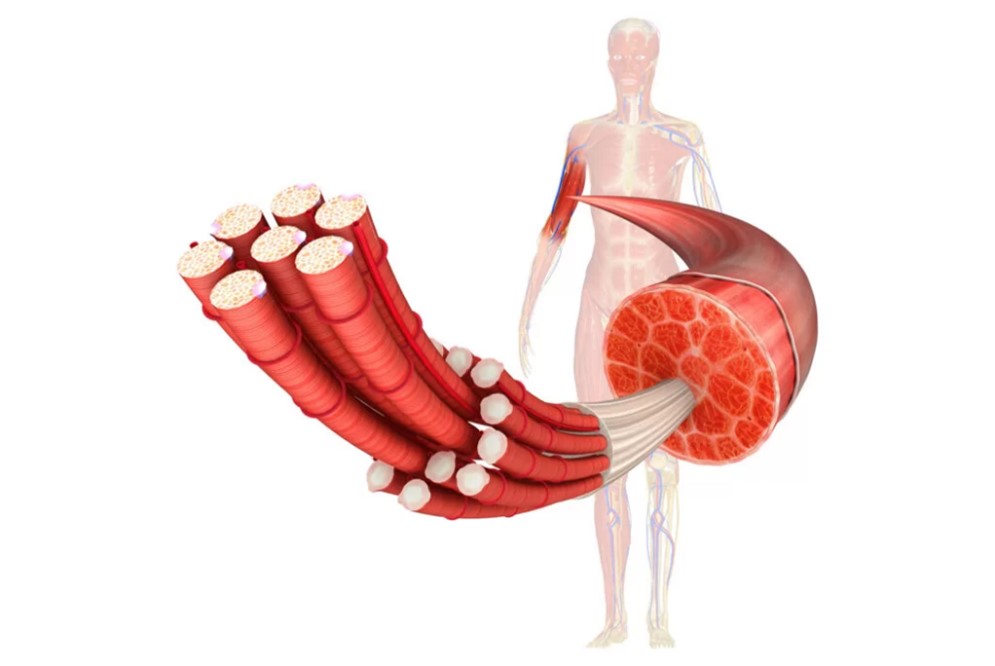
Muscular dystrophy (MD) is an ‘umbrella’ term that refers to a wider group of more than 75 genetically inherited neuromuscular conditions which cause progressive deterioration of muscle strength and function. Some neuromuscular conditions can be diagnosed at birth and other conditions may not appear until other stages of childhood, adolescence up until late adulthood.
How rare is muscular dystrophy?
Incidence and prevalence rates of muscular dystrophy and similar neuromuscular conditions are changing. Improvements in diagnostic techniques mean more people are being correctly diagnosed with these conditions, and improved treatments mean people with neuromuscular disease are living longer than ever before. Comparatively, we know the prevalence of neuromuscular diseases is at least as high as Parkinson’s disease worldwide and twice that of Multiple Sclerosis.
Based on population statistics, we estimate that there are approximately 41,000 people in Australia who have some form of muscular dystrophy or similar neuromuscular condition, from those 8,000 live in Queensland.
What treatments are available for muscular dystrophy today?
An initial diagnosis of a neuromuscular condition can be extremely daunting for the individual and their loved ones, however, researchers and doctors worldwide are learning more and more about the causes of muscular dystrophies and various treatments are being trialled to slow, or even stop, the progression of some diseases.
Until cures are found, timely access to effective treatments, the introduction of assistive technologies and mobility aids and the availability of support services can slow the progression of these conditions, and enable people to live the lives they choose.